22 Sep 2026

Vacuum-packed meat storage: how to reduce waste and keep meat at its best

How to store meat in the fridge using vacuum packaging to preserve quality and freshness

Vacuum-packed meat storage: how to reduce waste and keep meat at its best
Would you like more information?

Contact us to schedule an appointment with our experts

Contact us

Meat is highly perishable, so how it is handled, how long it is kept and under what conditions all play a key role in maintaining its quality and freshness. Proper storage also helps businesses make better use of raw materials, reducing the risk of spoilage and helping to cut food waste. This is particularly important for restaurants, butcher shops, delicatessens and professional food processing facilities.

Refrigeration and freezing are the main methods used to preserve meat, but they need to be combined with proper cold chain management and suitable packaging. Vacuum packaging removes most of the air from the pack, reducing the meat’s exposure to oxygen. This helps to slow down deterioration and preserve freshness for longer.

In this article, we look at best practices for storing meat in the fridge and freezer, how vacuum packaging works and the benefits it offers, the factors that affect how long vacuum-packed meat can be stored, and how this technology can help professional food businesses maintain product quality while reducing waste.

Red meat consumption: a balanced diet and food waste reduction

Red meat consumption has been the subject of scientific and nutritional debate for many years, particularly in relation to how much it is consumed and how often. In 2015, the International Agency for Research on Cancer (IARC) classified red meat as “probably carcinogenic to humans” (Group 2A) and processed meat as “carcinogenic to humans” (Group 1). This distinction needs to be understood correctly: IARC categories reflect the strength of the scientific evidence that an agent can cause cancer; they do not directly indicate the level of risk associated with consuming a specific amount of a particular food.


Current recommendations from the World Cancer Research Fund advise limiting red meat and eating little, if any, processed meat. However, red meat can still be included in a varied and balanced diet and provides important nutrients, including protein, iron, zinc and vitamin B12. A responsible approach is not only about quantity and frequency, but also how food is purchased, handled and stored.


Proper meat storage helps prevent deterioration and reduce waste, making better use of the food available. This is particularly important in the professional food sector, where restaurants, butchers, delicatessens and food processing facilities handle perishable products every day and need to plan purchasing, processing and storage based on their specific requirements.

How to store meat in the fridge while maintaining the cold chain

When storing meat in the fridge, temperature is the first factor to consider. Refrigeration slows microbial growth and the natural processes that affect food quality, but it does not stop them completely. This is why maintaining the cold chain at every stage before consumption – from transport and processing through to storage – is essential.


How food is organised and stored in refrigerated areas is equally important. Raw meat should be kept separate from cooked or ready-to-eat foods and stored in suitable packaging or containers to prevent leaks and minimise the risk of cross-contamination. In professional kitchens, butchers and food processing facilities, these practices are therefore an essential part of food hygiene procedures and day-to-day operations.

Vacuum-packed meat storage: how to reduce waste and keep meat at its best

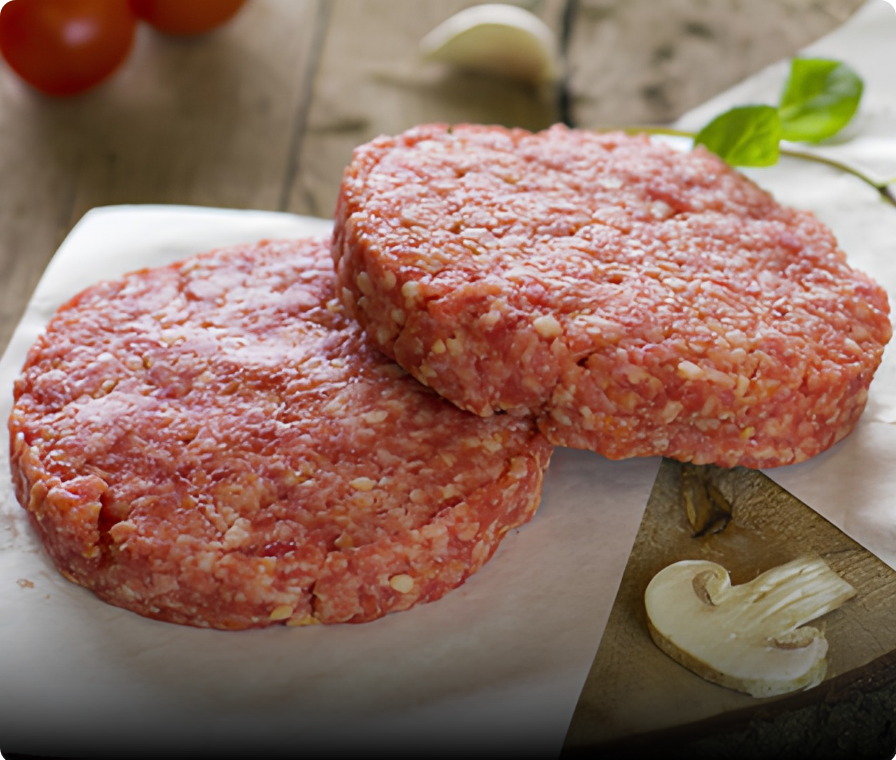
Storage times and conditions also vary depending on the type of meat and how it has been processed. Whole cuts, for example, differ from sliced meat, burgers or mince in terms of how long they can be safely stored. As a general guide, fresh cuts of beef, pork and lamb, such as steaks, chops and roasting joints, can usually be kept in the fridge for around 3–5 days, while minced meat should generally be used within 1–2 days. Mincing increases the surface area of the meat and can spread microorganisms from the surface throughout the product. For this reason, good hygiene practices and careful temperature control are particularly important during processing.


At this stage, using equipment designed to maintain controlled temperatures is essential to preserving the quality of the meat. Minerva Omega Group therefore offers refrigerated meat mincers in both counter-top and floor-standing models, designed for butchers, food processing facilities, professional kitchens and other businesses in the sector. These machines keep the meat chilled throughout the mincing process, helping to preserve the organoleptic and nutritional properties of the mince while ensuring better-controlled conditions for cleanliness and hygiene.


The storage times given above are general guidelines rather than a shelf life that can be applied to every product. The initial quality and freshness of the meat, temperature, processing methods, hygiene conditions and packaging system all affect how long it can be stored. For pre-packaged foods, the storage conditions and instructions on the label must always be followed, while for products prepared in-house, shelf life should be established as part of the food safety procedures implemented by the business.


For restaurants, butchers, delicatessens and food processing facilities, storing meat correctly in the fridge means managing the whole process carefully, not just fridge temperature. Careful handling of raw materials and planning how and when they are used help to preserve product quality, manage stock more efficiently and reduce food waste.


How to store frozen meat and preserve its quality

When meat is not going to be used within a short period of time, freezing can help extend its shelf life by slowing the activity of microorganisms responsible for spoilage. As a general guideline, freezer temperature should be maintained at -18°C or below. However, temperature alone is not enough to ensure the best results: the condition of the meat, how quickly it is frozen and, above all, the way it is packaged can all affect its quality over time.

Another important factor is exposure to air. Inadequate packaging can cause moisture to escape from the surface of the meat, resulting in freezer burn. Although this does not necessarily make food unsafe to eat, it can affect its colour, texture and overall quality, sometimes making it necessary to remove the affected areas.

Packaging therefore plays a key role in keeping frozen meat in good condition. Reducing the amount of air around the product helps to protect it from dehydration and unwanted changes during prolonged exposure to low temperatures. This is precisely where vacuum packaging can help: removing air before sealing the pack provides greater protection while the meat is frozen and helps to minimise changes over time.

For restaurants, butchers and food processing facilities, packing meat before freezing also makes it easier to manage production and stock efficiently. Dividing cuts and prepared products into portions that reflect actual requirements means only the amount needed has to be taken out of the freezer, simplifying raw material management and helping to minimise surplus and waste.

The way meat is defrosted is also an important part of the overall process. The safest approach is to thaw it in the fridge, at a controlled temperature throughout. If a quicker method is used, such as cold water or a microwave, the meat should be cooked immediately. Extended thawing at room temperature should be avoided.

Proper frozen meat storage therefore depends on managing each stage correctly, from packaging and freezing through to defrosting and final use.

Vacuum-packed meat storage: how it works and its benefits

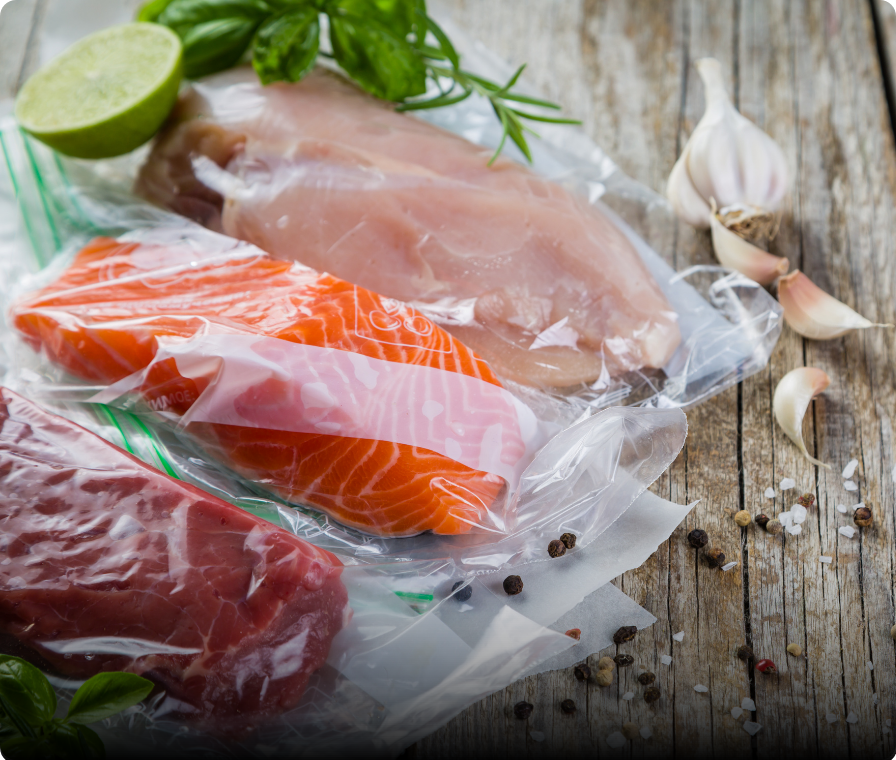
As we have seen, vacuum packaging is a preservation technique that involves removing air from a pack before it is sealed. The resulting reduction in oxygen around the food helps to limit oxidation and slow certain forms of spoilage, thereby extending the shelf life of meat.

This makes vacuum-packed meat storage particularly valuable for professional food businesses that handle perishable products every day. Restaurants, butchers, delicatessens, canteens and food processing facilities can use this technique not only to keep raw materials in optimal condition, but also to divide them into portions and manage stock and subsequent use more efficiently.

Vacuum-packed meat storage: how to reduce waste and keep meat at its best

The main benefits of vacuum packaging meat include:


  • Longer shelf life: significantly reducing the amount of oxygen inside the pack slows oxidation and limits the growth of aerobic microorganisms responsible for spoilage. When combined with appropriate temperatures and good hygiene practices, vacuum packaging allows meat to be stored for longer than storage methods with greater air exposure.
  • Maintaining meat quality: reducing exposure to oxygen helps limit oxidative changes that can occur over time. In the case of fresh beef, the lack of oxygen may cause the meat inside the pack to appear darker or purplish-red. This colour change is linked to changes in myoglobin and, on its own, is not a sign that the product has spoiled.
  • Better protection during freezing: by removing most of the air from the pack, vacuum packaging helps reduce moisture loss and surface changes associated with freezer burn. This provides greater protection at low temperatures and helps maintain the condition of the meat until it is ready to be used.
  • More efficient raw material management: packing cuts and prepared products in pre-defined portions makes it easier to organise stock based on production needs. This means only the required quantities need to be used, while also improving stock rotation and reducing surplus and food waste – particularly important for businesses that handle large volumes of meat every day.

Vacuum packaging can therefore help to preserve meat while also making day-to-day operations more efficient. Packing the required portions individually helps businesses manage raw materials more effectively throughout the process, from preparation and storage to final use.


However, it is important to remember that vacuum packaging does not prevent meat from spoiling. Removing air does not stop all microorganisms from growing, nor does it replace the need for refrigeration. Perishable vacuum-packed products must still be kept at the appropriate temperatures, maintaining the cold chain and following proper food hygiene procedures.

How long does vacuum-sealed meat last in the fridge?

Vacuum-sealed meat can keep for longer in the fridge because removing most of the oxygen from the pack helps slow down spoilage. However, there is no single storage time that applies to every product. How long it will keep depends on several factors, including the condition of the meat, how it has been processed and packaged, and the temperature at which it is stored.


The quality and freshness of the meat before packing are particularly important. Vacuum packaging cannot reverse deterioration that has already begun, so the meat needs to have been properly handled and stored from the outset and packed under appropriate hygienic conditions. Its shelf life will also vary depending on the type and cut of meat, whether it has been minced or otherwise processed, the temperature maintained throughout storage and the type of packaging used.


Maintaining the cold chain throughout the process is essential. Even when correctly vacuum-packed, meat remains perishable and must be kept at the appropriate temperature for the specific product. 


For professional food businesses, deciding how long vacuum-packed meat can be safely stored therefore means looking at the whole process, not just the packaging stage. Shelf life should be established for each specific product, taking into account how it is processed, packed and stored as part of the business’s food safety procedures. When purchasing products that are already packaged, the date and storage instructions provided by the manufacturer on the label must always be followed.

Professional vacuum packing machines: Minerva Omega Group solutions

Professional vacuum packing machines allow restaurants, delicatessens, butchers and food processing facilities to use vacuum packaging efficiently in their day-to-day operations, with equipment suited to different products and production volumes. Choosing the right professional model is essential for effective packaging: capacity, size, performance and ease of use should all reflect the specific application and ensure a reliable seal.


Minerva Omega Group offers a range of vacuum packing machines designed to meet different production requirements. The range includes compact countertop models, ideal when workspace is limited, as well as higher-capacity floor-standing machines for professional kitchens and food processing companies that need consistent performance when handling larger volumes.

Vacuum-packed meat storage: how to reduce waste and keep meat at its best

Our machines can be used to vacuum pack raw and cooked meat, as well as fish, cheese, fresh pasta and a wide variety of prepared foods. With different machine sizes, pump capacities and features available, businesses can choose the most suitable model for the products they handle, how frequently the machine will be used and their specific production requirements.

The range includes:

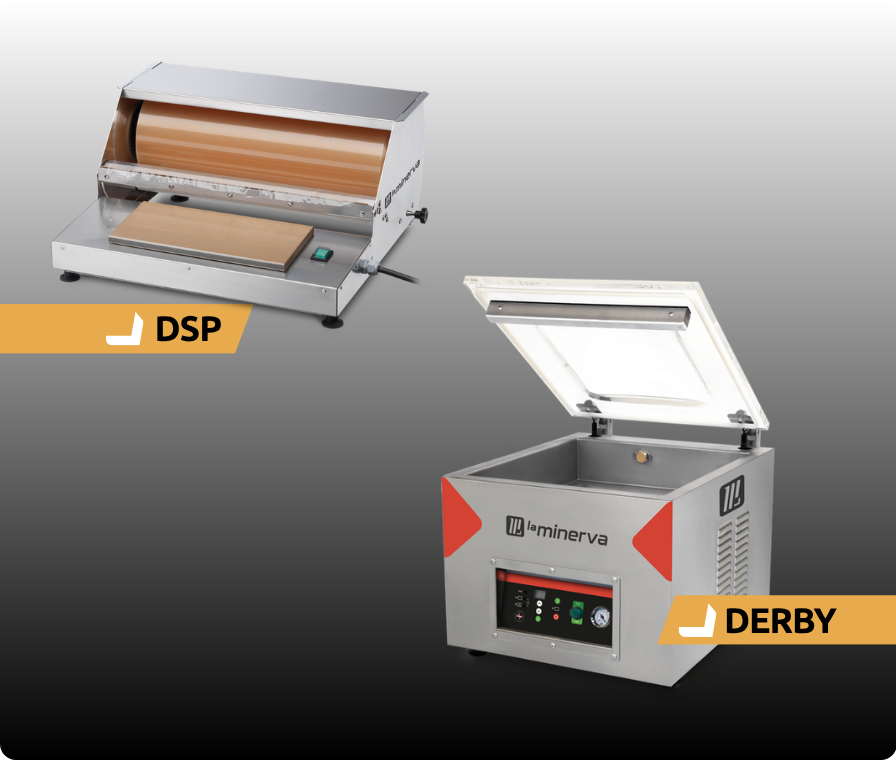
  • DERBY line vacuum packing machines: available in a variety of configurations, they allow users to save customised packing programmes and, depending on the model and optional features selected, add functions for different packaging requirements. Their versatility makes them particularly suitable for businesses handling a variety of food products and requiring flexibility in their vacuum packing operations.
  • External vacuum packing machines complete the range by providing an alternative to chamber vacuum packing machines. Available in different sizes, they can accommodate a variety of products and working requirements.

The choice of a professional vacuum packing machine should always start with the specific needs of the business. The type and size of food products, packing volumes, frequency of use, available space and required features are all important factors when selecting the most suitable solution.

Do you need a professional vacuum packing machine for your business?

Vacuum-packed meat storage: how to reduce waste and keep meat at its best